Choosing a platform is the second most important decision after choosing a license. The platform determines which games you can offer, how fast deposits will process, how deeply you can personalize the player experience — and, ultimately, whether you can scale to new markets without a complete rebuild.
The problem is that every provider looks convincing in a demo. A beautiful interface, an impressive list of games, promises of “launch in 2 weeks.” But the demo is optimized for selling, not for operating. The real value of a platform reveals itself after 6–12 months — when you need to connect a local payment method, obtain a license in a new market, or integrate a CRM system that isn’t in the “standard package.”
In this article, we provide a structured checklist of 10 evaluation categories, compare key providers, and point out the red flags that will help you avoid making the wrong choice.
Why Choosing a Platform Is a Strategic Decision, Not a Technical One
A platform is not “software,” but an infrastructure partner. According to NowG iGaming Platform Guide, the main mistake operators make is evaluating providers by feature lists instead of assessing long-term compatibility. A feature that works in a demo may perform completely differently under real load.
Three questions that define the choice. First: what is your product mix (casino, betting, hybrid)? Second: which markets are you operating in now, and where are you planning to expand? Third: what is your model — White Label, Turnkey, or Standalone?
More about the differences between models — in our article “White Label vs Turnkey vs Standalone Casino”. About modern platforms — “What Is a Modern iGaming Platform”.
Evaluation Checklist: 10 Categories That Decide Everything
This checklist is not theoretical. It is based on real criteria that determine the success or failure of a platform in the first year of operation.
| Category | What to Check |
|---|---|
| 1. Architecture & PAM | • Modular architecture (API-first)? • PAM (Player Account Management) — proprietary or integrated? • Multi-currency, multi-language? • Support for multiple product verticals (casino + betting + poker)? |
| 2. Gaming content | • Number of providers and games (minimum 3,000+)? • Built-in or external aggregator? • Live casino (Evolution, Pragmatic Play)? • Crash games and Originals? • Exclusive content? |
| 3. Payment systems | • Number of payment methods (50+)? • Local methods (Pix, M-Pesa, UPI)? • Crypto support (stablecoins, multi-network)? • Withdrawal speed? • Revenue share or fixed commission? |
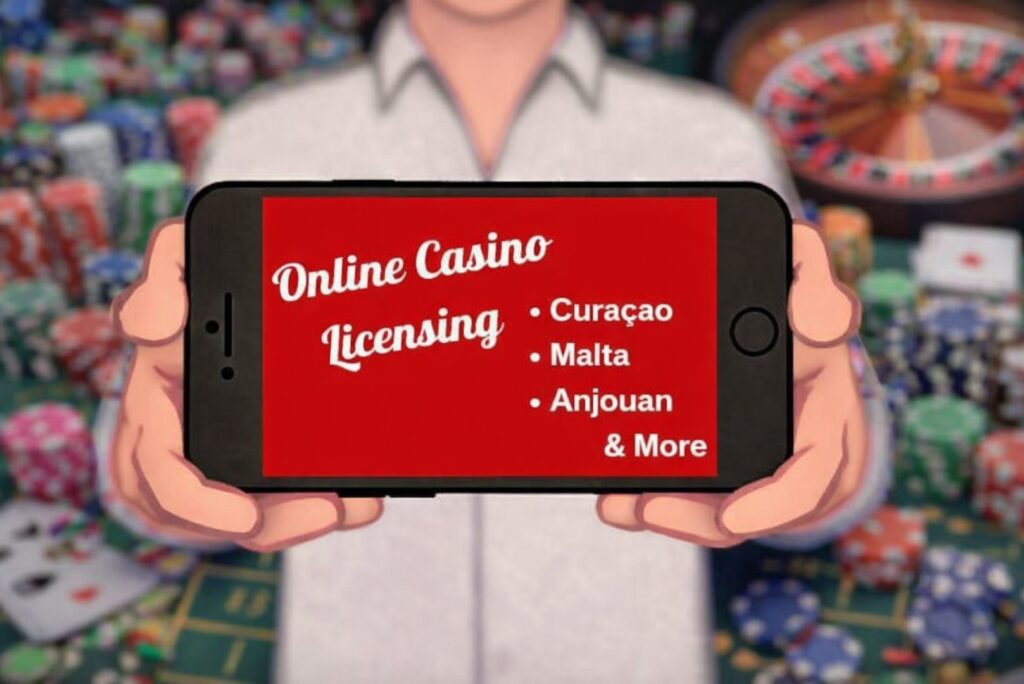
| 4. Licensing | • Which licenses does it support (MGA, Curaçao, UKGC, Anjouan)? • Assistance with obtaining a license? • Multi-jurisdictional compliance? • KYC/AML out of the box? |
| 5. CRM & bonuses | • Built-in CRM or integration? • Bonus engine (welcome, reload, cashback, free spins, VIP)? • Real-time triggers? • Player segmentation? • A/B testing of campaigns? |
| 6. Mobile experience | • Mobile-first or adaptive? • PWA support? • Load speed (<3 sec)? • Portrait mode, one-tap bets? • 2G/3G optimization? |
| 7. Responsible Gambling | • Limits (deposit, loss, time)? • Self-exclusion? • Integration with GAMSTOP/Spelpaus? • Reality Check? • AI monitoring of problem behavior? |
| 8. Reporting & analytics | • Real-time dashboards? • GGR/NGR by segments? • Cohort analysis? • Affiliate analytics? • Data export? |
| 9. Security | • SSL/TLS encryption? • DDoS protection? • RNG certification (eCOGRA, iTech Labs, GLI)? • PCI DSS for payments? • Audit logs? |
| 10. Commercial terms | • Pricing model (fixed vs revenue share)? • Launch timeline? • SLA for uptime (99.9%+)? • 24/7 support? • Exit terms (data, migration)? |
Download this checklist and use it in negotiations with each provider. If a supplier cannot answer a question from any category — that is a red flag.
Breaking Down Key Categories: What to Pay Special Attention To
Architecture and PAM. PAM (Player Account Management) is the heart of the platform. It is the system that manages the player’s wallet, balances, bonuses, and transactions. If PAM doesn’t scale — the platform doesn’t scale. Demand an API-first architecture: in 2026, this is not a best practice, but a necessity.
Gaming content. A minimum of 3,000 games from 30+ providers. Must-have: slots (Pragmatic Play, Play’n GO, NetEnt), live casino (Evolution), crash games (Spribe Aviator, 50+ million MAU). More details — “Crash Games: The Fastest-Growing Casino Segment”.
Payments. In 2026, without local methods, conversion approaches zero. Pix for Brazil, M-Pesa for Africa, UPI for India, GCash for the Philippines. Crypto — mandatory for .com markets.
CRM and bonuses. A built-in CRM or support for integration with Optimove, Smartico, Fast Track — a must-have. Real-time triggers, not batch processing. More details — “CRM and Marketing Automation”.
Mobile experience. 53%+ of revenue comes from mobile. PWA to bypass the App Store. Portrait mode. <3 seconds load time. More details — “Mobile Casino: Why Smartphones Are Replacing PCs”.
Provider Comparison: Who Is Right for Whom
No provider is perfect for everyone. Here is a comparison by key parameters:
| Criterion | SOFTSWISS | EveryMatrix | BetConstruct | Playtech | INNOVAVENTIS |
|---|---|---|---|---|---|
| Focus | Crypto + casino | Aggregation, modularity | Betting + casino | Regulated markets | Turnkey + WL |
| Model | SaaS + RS | Modular SaaS | Turnkey/SaaS | Enterprise | Turnkey / WL |
| Games | 15,000+ | 15,000+ | 10,000+ | 5,000+ | 3,000–10,000+ |
| Payments | 300+ | 250+ | 200+ | 150+ | 100+ |
| Live casino | Yes | Yes | Yes | Yes (own) | Yes |
| Crypto | Leader | Yes | Yes | Limited | Yes |
| CRM | Basic | Advanced | Medium | IMS | Partner Hub |
| Launch | 4–8 weeks | 6–12 weeks | 4–8 weeks | 8–16 weeks | 4–8 weeks |
| Licenses | MGA, Curaçao | MGA, UKGC, multi | MGA, multi | UKGC, MGA, multi | Curaçao, MGA, Anjouan |
| Best for | Crypto operators | Enterprise, multi-market | Bookmakers + casino | UK/EU, large operators | Startups, medium business |
Red Flags: When to Walk Away from Negotiations
“Launch in 2 weeks.” A quality Turnkey takes at least 4–8 weeks to launch. Two weeks means a White Label with minimal customization. Make sure you understand what you are getting.
No SLA for uptime. 99.9% uptime = a maximum of 8.7 hours of downtime per year. If the provider is not ready to commit to this in the contract with financial penalties — they are not confident in their infrastructure.
Revenue Share >40%. The White Label standard is 15–30%. More than 40% is predatory terms that make the business unprofitable at scale.
No exit strategy. Ask: “What happens to player data upon termination?” If the answer is “the data stays with us” — you are locked in forever.
Fewer than 50 employees. The company will not be able to provide 24/7 support, fast development, and multi-jurisdictional compliance.
Conclusion
Choosing a platform is not a demo day or a comparison of feature lists. It is the evaluation of a long-term partner on whom every aspect of your business depends: from deposit speed to the ability to enter a new market in a year.
Use the checklist from this article in every negotiation. Ask the uncomfortable questions: about exit terms, SLA, and data ownership. The best providers answer them with confidence — because they have nothing to hide.